


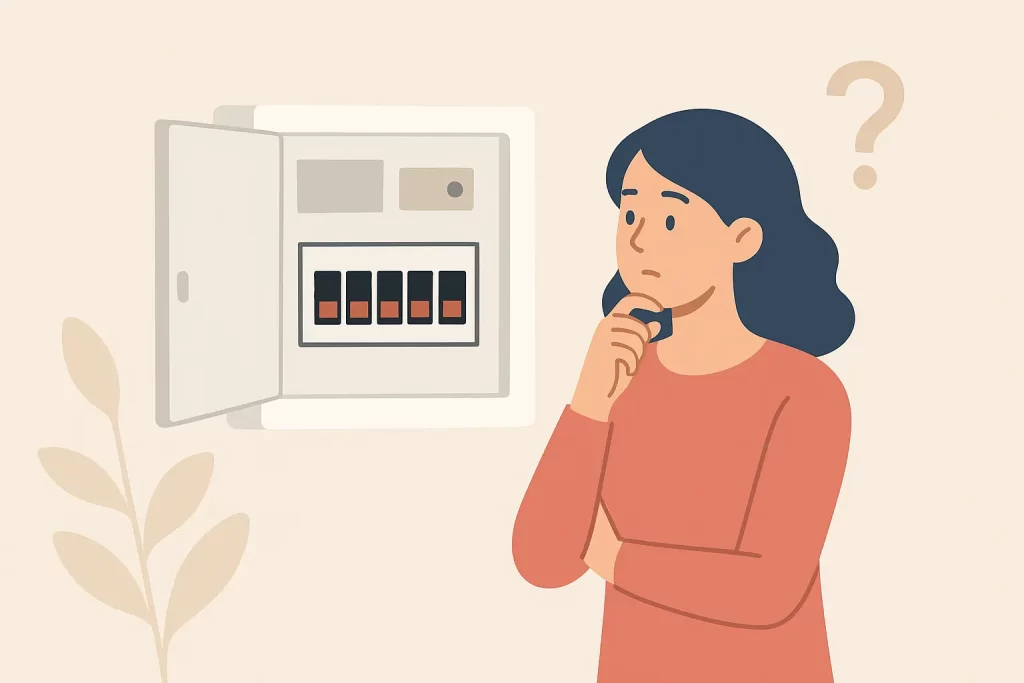
If you’ve ever wondered whether your fuse board is past its best, you’re not alone. It’s one of those things most homeowners only think about when something trips or stops working. But your fuse board is the heart of your home’s electrical system, and keeping it up to date is essential for safety and compliance. A Fuse board replacement isn’t just about convenience. It’s often about protecting your family, your tenants and your property.
In homes across Bracknell, Maidenhead and Wokingham, I still see older boards that were perfectly acceptable 20 or 30 years ago. Standards have moved on since then. What was once considered safe may no longer meet current regulations.
What Is a Fuse Board and How Does It Work?
Your fuse board, now more commonly called a consumer unit, controls and distributes electricity around your home. It’s designed to cut power quickly if there’s a fault, such as an overload or short circuit, reducing the risk of fire or electric shock.
Older systems use rewirable fuses. If they blow, you have to replace the fuse wire. Slightly newer versions use plug-in cartridge fuses. Modern consumer units use MCBs and RCDs. These trip automatically and can simply be reset once the fault is sorted.
The key difference with modern units is added protection. RCDs monitor the flow of electricity and shut off power in milliseconds if they detect a fault to earth. That extra layer of protection saves lives.
Key Signs You May Need to Upgrade Your Fuse Board
Not every home with an older fuse board must upgrade immediately, but there are some clear signs that it’s worth getting it checked.
- Your fuse board has rewirable fuses
- There is no RCD protection
- Fuses or breakers trip regularly
- You’re planning major renovations or an extension
- The board contains asbestos flash guards or looks visibly dated
I was in a property in Wokingham recently where the homeowner complained that the kitchen kept losing power whenever the kettle and toaster were on together. The board had no RCD and the circuits weren’t designed for modern loads. It worked fine in the 1980s. Not so much now.
Frequent tripping is another red flag. While the fuse board may not be the direct cause, it can indicate that your electrics are under strain or that protective devices are outdated.
Benefits of Upgrading to a Modern Consumer Unit
Upgrading isn’t just about ticking a compliance box. There are practical benefits you’ll notice straight away.
- Improved protection against electric shock
- Reduced fire risk
- Better handling of modern electrical demand
- Simpler fault finding when something trips
- Compliance with current wiring regulations
Modern homes use far more electricity than they did twenty years ago. Think electric showers, induction hobs, EV chargers and home offices running all day. A new consumer unit is designed with this in mind.
For landlords, upgrading can also provide peace of mind when it comes to Electrical Installation Condition Reports. If you’re renting out a property in areas like Maidenhead, Bracknell or Wokingham, meeting current standards is not optional. It’s part of your legal responsibility.
When Upgrading Is Legally or Practically Required
You’re not legally required to upgrade your fuse board just because it’s old. However, there are situations where replacement becomes necessary.
If your board doesn’t provide adequate RCD protection and remedial work is identified during an EICR, upgrading is often the most straightforward solution. The same applies if you’re carrying out significant alterations, such as a loft conversion or installing an EV charger. The existing board may not have the capacity or required protection.
Building regulations also come into play. Any new consumer unit installation must comply with Part P and be properly tested and certified. That’s not something to cut corners on.
Professional Inspection vs DIY: What You Need to Know
I completely understand the temptation to save money. Plenty of homeowners are confident with basic DIY. But replacing a fuse board is not a DIY job.
A proper upgrade involves isolating the supply, testing every circuit, checking earthing and bonding, installing the new unit, then carrying out full certification. It also needs to be notified to building control.
I’ve been called out to a house in Bracknell where someone had attempted their own upgrade after watching a few online videos. It ended up costing more to sort out the faults and ensure it was safe than if it had been done professionally in the first place.
An inspection by a qualified electrician will tell you clearly whether your current board is serviceable or due for replacement. Sometimes a simple improvement such as adding RCD protection can resolve the issue. Other times, a full upgrade is the safer route.
How the Upgrade Process Works and What to Expect
If you do go ahead with a fuse board upgrade, it’s usually completed within a day for a standard domestic property.
The power will need to be off for several hours. I always advise customers to empty the fridge of anything critical and plan around working from home if needed. We’ll test all circuits, label everything clearly and make sure you understand how the new breakers work before we leave.
Once installed, you’ll receive certification confirming the work meets current regulations. Keep that paperwork safe. It can be useful when selling your property or dealing with insurance.
Staying Safe and Up to Date with Your Electrics
Your fuse board is easy to ignore because it quietly does its job in the background. But when something goes wrong, or standards change, it becomes very important very quickly.
If your board is outdated, lacks RCD protection or struggles with modern demand, it’s worth getting it checked. A professional inspection gives you clarity and, more importantly, peace of mind.
If you’re unsure where you stand, the team at Bracknell Plumbing and Heating can assess your current setup and give straightforward advice based on years of working in local homes. Contact us today to arrange an inspection or get a quote for your fuse board upgrade.